


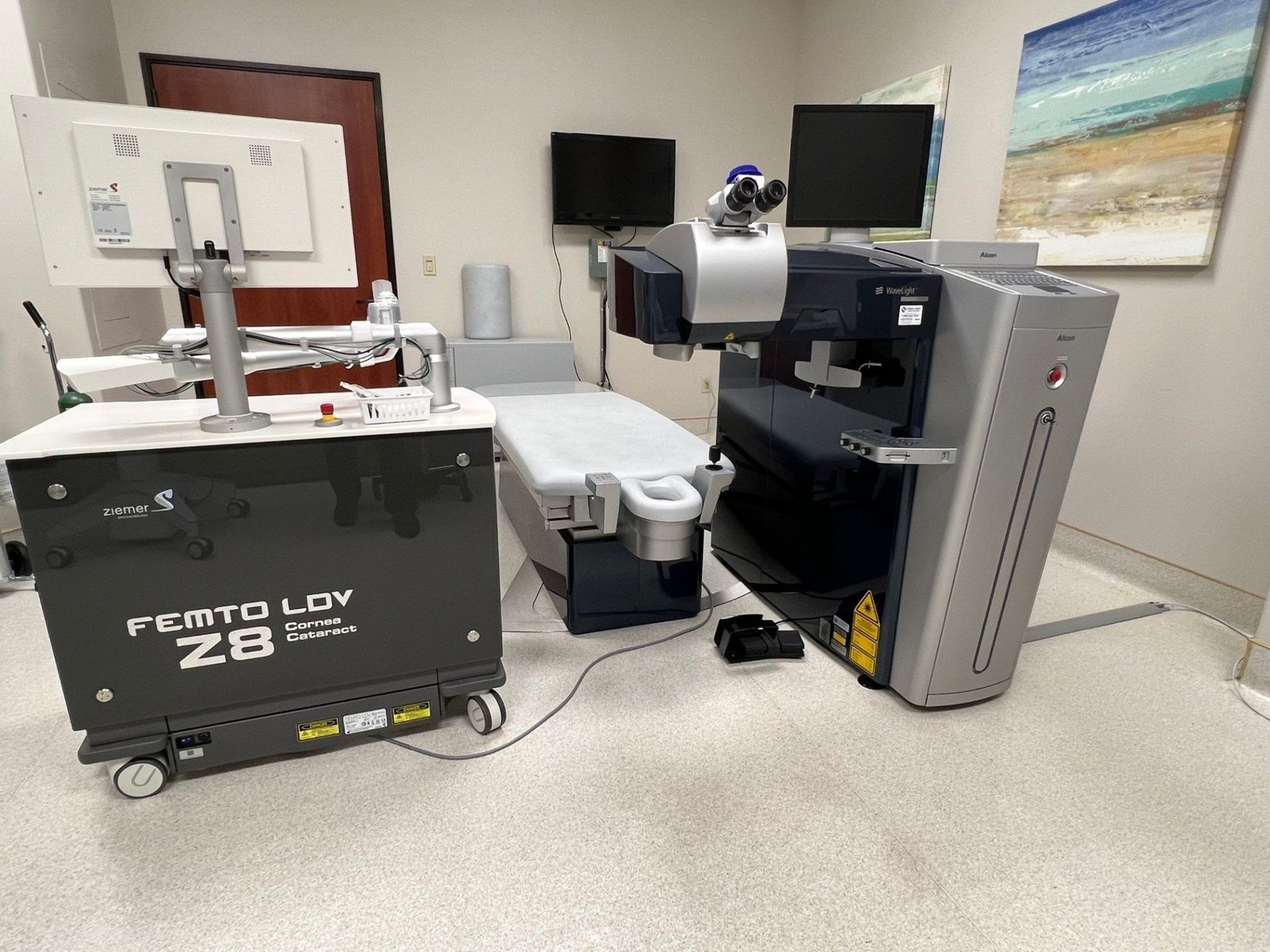
View our video about our new Z8 technology. Ver video en español.
Helm Vision Group is proud to use the best and newest technology for laser correction, the Wavelight EX500 from Alcon. Achieve outstanding visual outcomes with the integrated WaveLight®Technology. We also utilize the latest Ziemer Z8 laser technology.
With today’s sophisticated laser technology most people who currently wear glasses or contacts can benefit from LASIK. Near-sightedness, far-sightedness, and astigmatism can all be corrected. You must be at least 21 years of age and have otherwise healthy eyes. The best way to find out if you are a candidate for laser vision correction is to come in for a complimentary consultation. You will have the opportunity to meet our LASIK team, including Dr. Helm, and ask all the questions you may have. A packet of information about LASIK and our advanced technology will also be given to you to review at your own leisure.
Scheduling your complimentary LASIK exam is your first step to achieving independence from glasses or contact lenses. Unlike other centers, Helm Vision Group offers a truly comprehensive exam, free, with no obligation. It will include a complete evaluation of the health of your eyes. We will create a detailed map of your eyes and perform all of the visual tests necessary to evaluate your suitability for LASIK. We use the latest, most advanced technology, all in the comfortable atmosphere of our state-of-the-art facility.
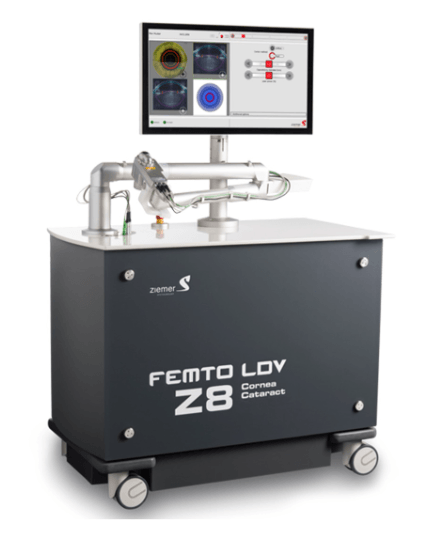
What sets Alcon Wavelight EX500 apart from the rest?
The FDA has approved several excimer lasers for use in vision correction surgery. Each of these lasers meets criteria for safety and effectiveness. Our team at Helm Vision Group believes that the EX500 is the gold standard of excimer laser treatment. Here’s why:
Origin: Alcon is the only company that started with the eye as the basis for R&D development, thereby building a technology platform around it. In contrast, other companies simply repurposed a technology that was built for the flat structure of semi-conductor chips as opposed to the round anatomy of the eye.
Customization: The EX500 was the first excimer laser to offer wavefront technology, which allows the surgeon to customize treatment to the cornea’s unique characteristics and aberrations (imperfections). This helps us treat more complex aberrations and deliver better overall outcomes.
Built for Speed: The EX500 emits 500 laser pulses per second for an extremely fast treatment. This allows the procedure to be completed in seconds. The speed contributes to the extremely high accuracy of the laser, because the cornea doesn’t dry out during the procedure compared to other lasers.
Enhanced Precision: Alcon’s Perfect Pulse technology ensures each laser beam is calibrated to safely and precisely sculpt the cornea to help you achieve your best visual outcome — and best of all, free of any potential for glare, halos or other visual symptoms!
Eye-tracking System: The automated eye-tracking system monitors the movement of the eye so the laser beam stays on target during the treatment to deliver the highest levels of safety!
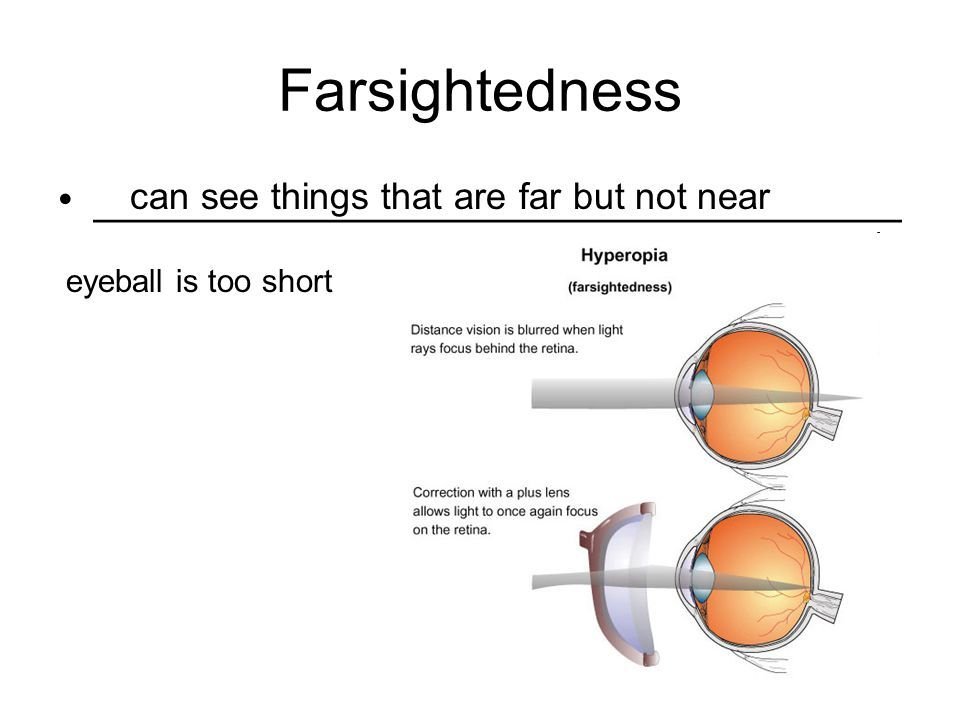
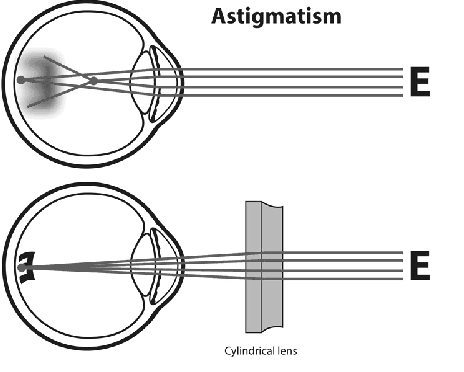
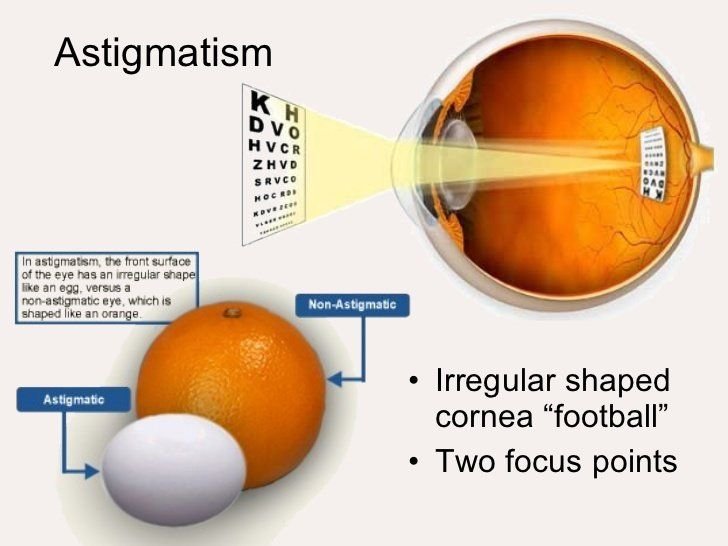
Wide Range of Treatment: With the EX500, we can treat the highest levels of nearsightedness, farsightedness AND astigmatism. In short, we are able to help patients who were previously told they did not qualify for LASIK.
Choosing the right doctor for your laser vision correction is a very important decision. By choosing an experienced surgeon who uses clinically proven, safe, advanced technology, you can be certain you will get the best possible results and minimize the risk of problems.
LASIK (laser assisted in-situ keratomileusis) is now the most commonly performed surgical procedure for the correction of near-sightedness, far-sightedness, and astigmatism. An estimated 5 million people have undergone LASIK worldwide. LASIK is a safe and highly effective procedure to reduce dependence on contact lenses and glasses.
We perform LASIK in our state-of-the-art climate-controlled laser suite. This facility was specifically designed for the optimum functioning of excimer lasers. Before the procedure, you will be given the option of taking an oral relaxing medication, such as Valium. The procedure is done using anesthetic drops to numb the eye.
Once the eye is completely numb, Dr. Helm creates a corneal flap using the sophisticated Ziemer FEMTO LDV Z8 laser. Once the flap is created, the corneal bed is gently reshaped with a cool ultraviolet laser beam. The laser reshaping of the cornea usually takes less than 20 seconds. The protective corneal flap is then returned to its original position, and the procedure is complete.
LASIK surgery has proven to be a safe, highly effective, and permanent procedure, especially with an experienced surgeon using safe, proven technology.
After a thorough eye exam, including sophisticated computer imaging, your doctor will be able to determine if LASIK surgery is an option for you. If you prove to be a good LASIK surgery candidate, and you wish to have LASIK surgery, you will be given additional information about the LASIK surgery procedure. This will enable you to make an educated decision about whether or not to proceed. It is vitally important to be sure you have all your questions answered to your satisfaction.
You will arrive for your LASIK surgery about 45 minutes prior to your procedure. Once you have been checked in, you may be offered a sedative to help you relax. You will then be prepared for LASIK surgery. The area around your eyes will be cleaned, and a sterile drape will be applied around your eyes. To numb your eyes, anesthetic eye drops will be used; no injections or needles will be used in this process. When your eyes are totally numb, an eyelid holder will be placed between your eyelids to keep you from blinking during the LASIK surgery procedure. Each step of the procedure will be described to you before it is done so that you will be comfortable and know just what to expect.
Next, the Z8 laser will create a hinged flap of thin corneal tissue, and your doctor will gently fold the flap out of the way. You may feel a little pressure during the LASIK surgery process, but absolutely no pain. As the laser reshapes your cornea, you will look directly at a target light. The information gathered in your preoperative exam will be programmed into the excimer laser. The LASIK surgery treatment will be completed in a matter of seconds, depending upon the amount of correction needed. To finish the LASIK surgery procedure, the protective layer will be folded back into place where it will bond without the need for stitches.
Following your procedure, your eye(s) will be examined with a slit lamp microscope by Dr. Helm. Your eyes will be shielded for protection, and you will be given additional eye drops. Immediately following your procedure, your vision will likely be foggy like you’re looking through plastic wrap or like you’re looking underwater. You will need a ride home. After the anesthetic wears off in 20 to 30 minutes your eyes will sting, tear up, burn and have a gritty sensation for three to four hours. We recommend that you go home and take a nap. In this case, you will sleep through the period where your eyes are irritated. When you wake up your eyes will be comfortable and you will notice that your vision is improving. Foreign body sensation within the first 12 to 24 hours is not uncommon. In the few days following LASIK surgery, some people experience sensitivity to light and watering or swelling of their eyes.
You may feel a little pressure on your eye, and you will hear Dr. Helm as he informs you as to what he is doing next. The laser will make a clicking noise as it reshapes your cornea.
The procedure is entirely pain free, though you may feel a little pressure on your eye during the procedure.
Most patients experience a dramatic improvement in their vision within the first day. For others, vision may be slightly blurry and fluctuate for several weeks. Most patients return to their normal functionality within a day or two after the laser vision correction surgery. It may take a month or two before you achieve your sharpest vision.
You should be able to resume your daily activities the day after your LASIK surgery. You will be asked to come back the next day for another LASIK surgery examination of your eye(s). We recommend that you avoid eye rubbing, underwater swimming, and wearing makeup around your eyes for the first two weeks after your procedure.
LASIK surgery has proven to be a safe, highly effective, and permanent procedure. Any surgery procedure presents an inherent risk. Many complications and risks associated with LASIK surgery can be reduced or eliminated through careful patient selection, thorough preoperative evaluation, and having an experienced surgeon using safe, proven technology.
Helm Vision Group has partnered with Care Credit to offer you these great payment options:
0% FINANCING FOR 12 MONTHS
PAYMENTS AS LOW AS $58/MONTH.
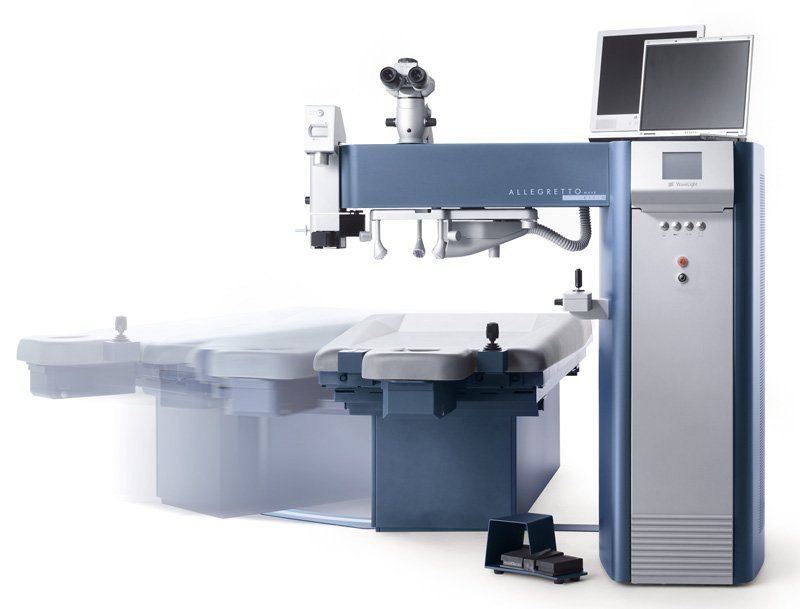
Helm Vision Group is pleased to utilize the Alcon WaveLight Allegretto Wave Laser for laser vision correction! This premium laser was designed based on an ideal that was once only an imagination: a system with shortened surgery times, innovative and reliable eye tracking, and a clear ergonomic concept.
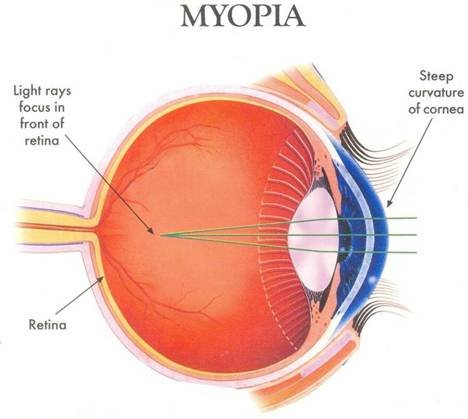
Persons with myopia, or nearsightedness, have more difficulty seeing distant objects as clearly as near objects.
Combinations of myopia and astigmatism or hyperopia and astigmatism are common. Glasses or contact lenses are designed to compensate for the eye’s imperfections. Surgical procedures aimed at improving the focusing power of the eye are called refractive surgery.
In LASIK surgery, precise and controlled removal of corneal tissue by a special laser reshapes the cornea which changes its focusing power.
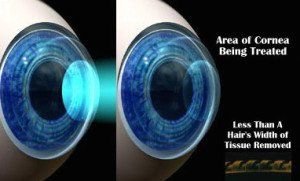
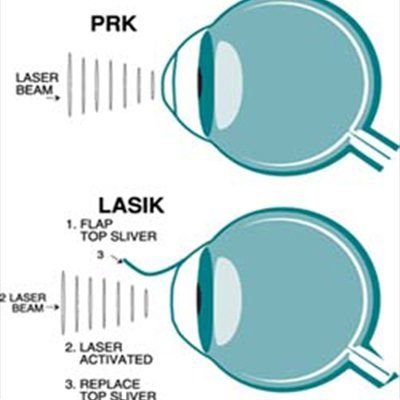
LASIK INFORMATIONThe most popular type of laser eye surgery is LASIK, an acronym for laser in-situ keratomileusis. LASIK surgery involves the raising of a thin flap of corneal tissue of the eye. In LASIK, the laser treatment is applied to the tissue beneath the flap, whereas in PRK the laser is applied directly onto the corneal surface. The main advantage of LASIK is that the surface of the cornea is not treated, but simply folded back, minimizing post-treatment pain and speeding recovery of vision.
As most LASIK patients experience less post-treatment discomfort, usually they do not even need to take any pain medicine after the laser eye surgery procedure has taken place.
When given the choice, most patients prefer LASIK over PRK. LASIK allows a more rapid vision recovery than PRK and also involves less post-treatment pain. However, LASIK requires one surgical step more than PRK: the making of the flap. To create the flap, the doctor cuts the thin layer at the front of the cornea with the Ziemer FEMTO LDV Z8 laser. The process is blade-free. The creation of the flap during LASIK takes 30 seconds, during which most patients feel a low level of pressure on the eye that is undergoing surgery.The flap created with the Z8 laser is then pushed back into place. The use of stitches is unnecessary, as the flap itself is held in place by natural corneal suction.Some patients are most worried about the making of the flap than about any other aspect of the surgery. Although complications with the creation of the flap occur less of 1% of the time, some people might prefer PRK over LASIK only because they are worried about the flap.
Most of the difficulties potentially arising during the creation of the flap can be treated easily. A complication might arise for instance when the flap created in the corneal tissue slides a little and causes wrinkles. This particular complication occurs generally during the first day after the LASIK procedure and can easily be corrected by lifting and repositioning the flap. This particular complication can only occur during LASIK and does not concern PRK treatments.
Another possible complication of LASIK that could never arise in PRK is the inappropriate creation of the flap, which can result in an irregular flap leading to a need for further surgery. However, use of the Z8 laser greatly mitigates this issue as it is much more accurate than previous flap-creation methods involving blades.
PRK INFORMATION
PRK, also known as “photorefractive keratectomy”, is the original form of laser eye surgery. As opposed to LASIK, in PRK the doctor applies the energy of the laser directly to the surface of the cornea. PRK does not require any cutting of the corneal tissue to make a flap.
Patients might decide to avoid PRK because it has requires a longer period of time to obtain the best vision. This is due to the fact that in PRK the laser eye treatment is applied to the surface of the eye instead of deep within the cornea, as in LASIK.
While patients that have undergone LASIK can normally see quite well the day after the treatment, PRK patients are usually in the range of 20/40 and are able to drive within five days after surgery. The vision then gradually improves over a period of a few months. With near-sighted treatments, the ultimate results of LASIK and PRK are the same.
PRK patients are normally prescribed pain medicine for a couple of days after surgery. In PRK patients the pain is due to the fact that the surface layer of cells is removed prior to the laser treatment, and these cells have to then grow back.
Some patients cannot freely decide if they want to get LASIK or PRK done. People with very thin corneas or with pre-existing conditions are more suitable for PRK, for example. Always make your decision in conjunction with your doctor.